Что взять в поход: список необходимого снаряжения
Planning a hike, whether for a single day or an extended backpacking trip, involves careful consideration of the gear you will carry. The equipment you choose can influence your comfort, safety, and overall experience on the trail. This article outlines a foundational gear list, focusing on key items such as tents, sleeping bags, backpacks, and navigation tools. The goal is to provide a framework that you can adapt based on your specific route, season, and personal needs.
It is important to approach gear selection as a process of matching equipment to conditions rather than adhering to a rigid checklist. Factors such as weather, terrain, duration, and individual fitness all play a role in determining what is appropriate. The suggestions here are intended to inform your decision-making, not to serve as definitive recommendations. Always assess your own requirements and consider consulting with experienced hikers or outdoor professionals for personalized advice.
In the following sections, we will explore categories of gear, discussing their functions and the considerations involved in choosing them. The information is presented in a neutral, educational manner to help you build a kit that supports your outdoor pursuits.
Core Principles of Gear Selection
Before diving into specific items, it is helpful to understand some overarching principles that guide gear choices. These principles apply whether you are preparing for a short day hike or a multi-week expedition. They emphasize adaptability, weight management, and functionality.
First, consider the concept of the ‘big three’: your backpack, shelter, and sleep system. These items typically constitute the majority of your pack weight and volume. Optimizing them for your needs can significantly affect your comfort. Second, think in terms of layers and modularity. Rather than bringing single-purpose items, aim for gear that can serve multiple functions or be adjusted to varying conditions. Third, prioritize items that contribute to safety and basic needs, such as navigation, insulation, and hydration, before adding luxuries.
Another key principle is to test your gear before relying on it in the field. Set up your tent in the backyard, sleep in your sleeping bag indoors, and practice using your navigation tools on familiar trails. This helps identify any issues and builds familiarity, which can be invaluable when conditions are less than ideal. Finally, remember that gear is a personal choice; what works for one person may not work for another. Use the information here as a starting point for your own research and experimentation.
Day Hike Essentials
For a day hike, the goal is to carry enough to handle unexpected changes in weather or minor emergencies without being weighed down. The specific items will vary based on the length and difficulty of the hike, but a core set remains consistent.
Start with a small daypack, typically 15 to 30 liters, that fits your torso comfortably. Inside, carry water—at least one liter for shorter hikes, more for longer or hotter conditions. Bring high-energy snacks such as nuts, granola bars, or dried fruit. A basic first-aid kit with bandages, blister treatment, and personal medications is essential. Also include a map and compass (or a GPS device) even if the trail is well marked, as a backup.
Weather can change rapidly, so pack a lightweight rain jacket and an extra insulating layer, such as a fleece or synthetic jacket. Sun protection, including a hat, sunglasses, and sunscreen, is important. A headlamp or flashlight with spare batteries, a multi-tool or knife, and a whistle for emergencies round out the list. Depending on the environment, you might also carry insect repellent, a small emergency shelter (like a space blanket), and a means to start a fire. Adjust this list based on your specific hike and always let someone know your plans.
Multi-Day Backpacking Gear
Overnight trips require additional equipment for shelter, sleep, and cooking. The following categories cover the main items you will need to consider. Keep in mind that each choice involves trade-offs between weight, comfort, and cost.
Backpacks
For multi-day trips, a backpack with a capacity of 50 to 70 liters is common, depending on the length of your trip and the bulk of your gear. The most important factor is fit: the pack should transfer weight to your hips, not your shoulders. Look for adjustable suspension, padded hip belts, and compartments that organize your gear. When trying on a pack, load it with weight to simulate real conditions. Brands like Peak Performance Gear offer options, but the key is to find one that matches your body and needs.
Tents and Shelters
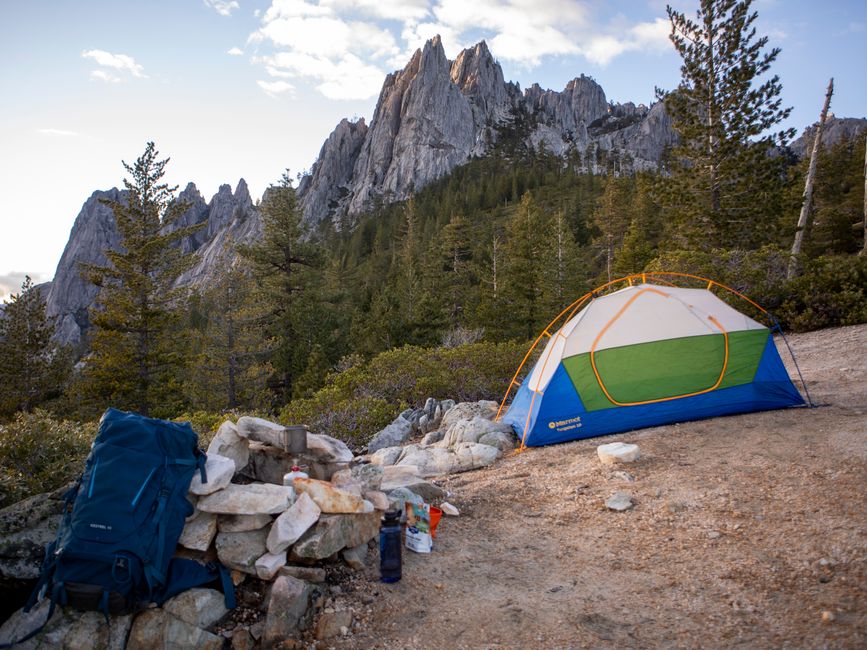
Your shelter protects you from the elements and provides a place to rest. For backpacking, lightweight tents are preferred. Consider the season and expected weather: three-season tents are versatile for most conditions, while four-season tents handle snow and high winds. Look at capacity (solo, two-person, etc.), packed size, and ease of setup. Alternatives include tarps, hammocks, or bivy sacks, each with their own advantages. Test your shelter before your trip to ensure you can pitch it quickly and that it keeps you dry.
Sleeping Bags and Pads
A good night’s sleep is crucial for energy on the trail. Sleeping bags are rated by temperature, but these ratings are often optimistic. Choose a bag rated for at least 10°F below the lowest temperature you expect. Down bags are lighter and more compressible but lose insulation when wet; synthetic bags retain warmth when damp but are bulkier. A sleeping pad provides insulation from the ground and cushioning. Foam pads are durable and inexpensive, while inflatable pads are more comfortable and pack smaller. The combination of bag and pad determines your overall sleep system.
Navigation Tools
Reliable navigation is critical for safety. While smartphone apps can be useful, they depend on battery life and signal. Carry a paper map and a compass as a backup, and know how to use them. A GPS device or a watch with GPS can complement traditional tools. Before your trip, study your route, identify landmarks, and check for any closures or hazards. Practice navigation skills on familiar trails to build confidence.
Clothing and Footwear
What you wear on the trail can make or break your experience. The principle of layering allows you to adapt to changing conditions. Start with a base layer that wicks moisture away from your skin, such as merino wool or synthetic fabrics. Avoid cotton, which holds moisture and dries slowly. Add an insulating mid-layer, like a fleece or down jacket, for warmth. An outer shell, such as a rain jacket or windbreaker, protects against wind and precipitation.
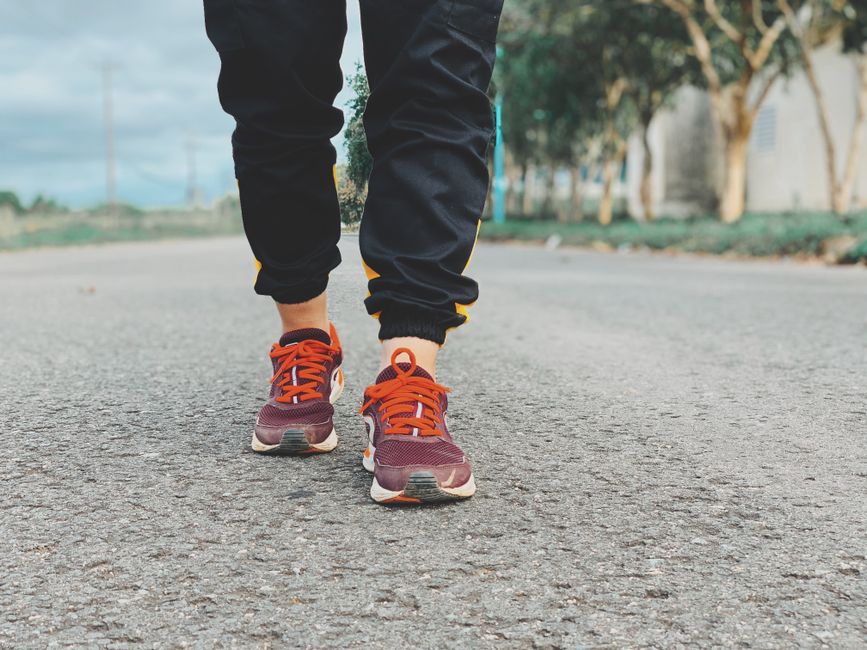
Footwear is equally important. Choose hiking boots or shoes that fit well and match the terrain. For day hikes on well-maintained trails, trail runners or lightweight hikers may suffice. For rugged terrain or heavy loads, sturdier boots with ankle support are often preferred. Always break in new footwear before a long trip to avoid blisters. Socks should be moisture-wicking and ideally made of wool or synthetic materials. Bring spare socks to change if your feet get wet.
Other clothing items to consider include a hat for sun protection, a warm hat and gloves for cooler temperatures, and gaiters to keep debris out of your boots. Adjust your clothing based on the season and forecast, and always pack an extra layer for emergencies.
Additional Considerations and Safety
Beyond the core gear, several other items can enhance safety and comfort. A well-stocked repair kit with duct tape, cord, and patches can fix gear in the field. A trowel and biodegradable soap for human waste disposal help minimize environmental impact. A bear canister or hanging system may be required in some areas to store food safely.
Hydration and nutrition deserve attention. Water treatment methods, such as filters, purification tablets, or UV devices, allow you to refill from natural sources. Plan meals that are lightweight, calorie-dense, and easy to prepare. A small stove and fuel canister, along with a pot and utensils, form your cooking system. Remember to leave no trace: pack out all trash and follow local regulations.
Finally, always inform someone of your itinerary and expected return time. Carry a communication device, such as a personal locator beacon or satellite messenger, if you will be in remote areas. Check the weather forecast and be prepared to alter your plans if conditions change. The key to a successful hike is preparation and flexibility.