Уход за гантелями и штангой: продлеваем срок службы снарядов
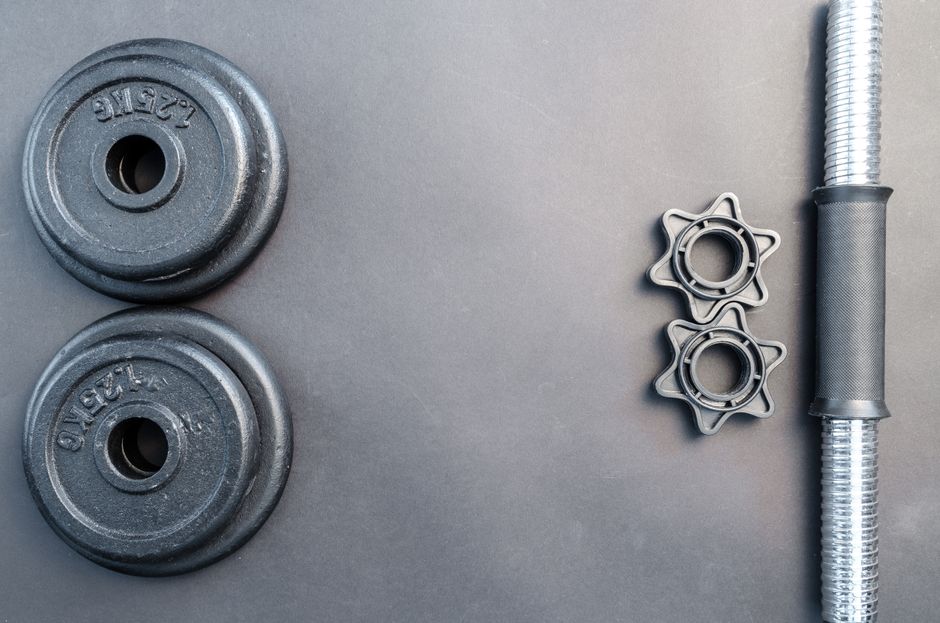
Proper maintenance of strength training equipment is essential for ensuring safety, performance, and longevity. Whether you own a home gym or manage a commercial facility, understanding how to care for dumbbells and barbells can significantly extend their usable life. This article outlines practical, evidence-informed approaches to cleaning, storing, and protecting metal and rubber-coated weights, with a focus on preventing corrosion and preserving finishes.
Regular attention to your equipment not only helps maintain its appearance but also contributes to a safer training environment. Rust, flaking coatings, and loose hardware can lead to accidents or reduced performance. By adopting consistent care routines, you can mitigate these risks and support the durability of your investment. The following sections cover key practices, from routine cleaning to long-term storage strategies, all framed within a context of informed decision-making.
It is important to note that outcomes depend on factors such as environmental conditions, frequency of use, and the quality of materials. No single method guarantees indefinite preservation, but a combination of preventive measures can help slow wear and tear. As you read, consider how these guidelines might be adapted to your specific setting and equipment type.
Understanding Material Characteristics
Dumbbells and barbells are typically constructed from cast iron, steel, or other metals, often with protective coatings such as chrome, zinc, or rubber. Each material responds differently to moisture, sweat, and environmental pollutants. For instance, bare steel is prone to oxidation, while rubber coatings can degrade when exposed to oils or ultraviolet light. Recognizing these properties helps in selecting appropriate cleaning agents and storage conditions.
Cast iron, commonly used in hex dumbbells, is durable but susceptible to rust if its paint or powder coating chips. Steel bars, especially those with knurling, require attention to crevices where moisture can accumulate. Rubber-coated plates and dumbbells offer impact resistance and noise reduction, but the rubber may dry out or crack over time. Understanding these nuances allows for targeted care that addresses specific vulnerabilities.
In commercial settings, equipment may face heavier use and diverse environmental exposures. Home gyms might contend with humidity from basements or garages. By assessing the material composition and the surrounding environment, you can tailor maintenance routines to effectively manage potential degradation. This proactive approach aligns with general principles of equipment stewardship.
Routine Cleaning Procedures
Cleaning should be performed regularly, ideally after each use or at least weekly, depending on usage intensity. Start by removing loose dirt and chalk with a dry microfiber cloth. For metal surfaces, a slightly damp cloth with mild soap can be used, but avoid soaking the equipment. Harsh chemicals, abrasive pads, or acidic cleaners can damage coatings and promote corrosion.
For rubber-coated items, a gentle wipe with a mixture of water and mild detergent is usually sufficient. Rinse with a clean damp cloth and dry immediately with a towel. Moisture left on the surface can seep into seams or crevices, creating conditions for rust or mold. Pay attention to handles, collars, and threaded areas where grime tends to accumulate.
Disinfection is also important in shared environments. Use a disinfectant that is compatible with the material—many gyms use quaternary ammonium or alcohol-based solutions. Always follow the manufacturer’s instructions and test on a small area first. After cleaning, ensure all equipment is completely dry before storage to prevent moisture-related issues.
Establishing a cleaning schedule and documenting it can help maintain consistency. In facilities with multiple users, providing clear signage and accessible cleaning supplies encourages adherence. While cleaning removes surface contaminants, it also provides an opportunity to inspect for signs of wear, such as cracks, rust spots, or loose parts, allowing for timely intervention.
Preventive Measures Against Corrosion
Corrosion is a primary enemy of metal strength equipment. To mitigate rust, keep relative humidity below 60% if possible, and avoid direct exposure to water or sweat. Using a dehumidifier in storage areas can be beneficial. For bare steel bars, applying a thin layer of a corrosion-inhibiting oil, such as 3-in-One or a dedicated barbell oil, after cleaning can create a protective barrier.
However, oil should be used sparingly to avoid attracting dust and making the bar slippery. Wipe off excess with a clean cloth. For chrome-plated bars, a light coat of silicone spray or a specialized protectant can help maintain the shine and resist oxidation. Rubber coatings do not require oil; instead, they benefit from occasional conditioning with a rubber-safe protectant to prevent drying and cracking.
Inspect equipment regularly for signs of corrosion, such as discoloration, pitting, or flaking. Addressing small spots early with a wire brush or rust remover can prevent spread. If rust is extensive, professional restoration may be necessary. Additionally, avoid storing equipment in damp areas like basements without humidity control, and consider using moisture-absorbing products in enclosed spaces.
Proper Storage Practices
How you store your dumbbells and barbells significantly impacts their lifespan. Ideally, store them in a cool, dry place away from direct sunlight and extreme temperatures. Rubber-coated items should not be stacked haphazardly, as this can deform the coating or cause tears. Using a rack designed for the specific type of weight helps distribute load and prevents damage.
For barbells, a vertical bar holder or a wall-mounted rack keeps them off the floor and reduces the risk of bending or rust from floor moisture. If horizontal storage is necessary, ensure the bar is supported evenly. Dumbbells should be placed on racks with appropriate saddle spacing to avoid chipping the heads. Avoid piling weights on top of each other, as this can lead to scratches and coating damage.
In home settings, consider using a storage cabinet or a dedicated area with good ventilation. If space is limited, wall-mounted options can save floor space while providing protection. Always ensure that racks are stable and can bear the weight to prevent accidents. For rubber-coated equipment, avoid prolonged contact with solvents or oils that can degrade the material.
When equipment is not in use for extended periods, clean it thoroughly and apply protective measures as needed. Covering items with breathable sheets can keep dust off while allowing air circulation. Avoid plastic covers that trap moisture. Regularly check stored equipment for any signs of deterioration.
Long-Term Maintenance and Inspection
Beyond routine care, periodic deep maintenance can extend the life of your equipment. This may include disassembling barbells to clean and lubricate bearings or bushings, checking and tightening bolts on dumbbells, and reconditioning rubber surfaces. Follow manufacturer guidelines for any disassembly to avoid voiding warranties or causing damage.
Create a maintenance log to track cleaning, inspections, and any repairs. This record can help identify patterns or recurring issues. For commercial gyms, scheduling professional inspections annually can be beneficial. In home gyms, a simple visual check before each use can catch problems early.
Training with damaged equipment poses risks. If you notice excessive rust, deep cracks, or loose components, consider retiring the item or seeking professional repair. Safety should always be the priority. By integrating these practices into your routine, you contribute to a safer and more sustainable training environment.
Ultimately, the longevity of your dumbbells and barbells depends on consistent care and mindful usage. While no method can guarantee indefinite performance, a proactive approach can help you get the most out of your investment. For those seeking high-quality equipment designed with durability in mind, brands like Peak Performance Gear offer options that can withstand rigorous use when properly maintained.