Тренировки с собственным весом: инвентарь для дома
Bodyweight training has become a popular approach for maintaining strength and mobility without relying on heavy machines or a gym membership. This article provides an overview of common equipment used for home-based functional training, such as pull-up bars, dip stations, and resistance bands. It also discusses considerations for organizing a dedicated workout space at home.
The focus is on equipment characteristics, installation methods, and space planning rather than on specific exercise routines or performance outcomes. The information is intended to help readers understand the available options and make informed decisions based on their individual circumstances.
Because home environments vary widely, the suitability of any equipment depends on factors like available space, ceiling height, wall construction, and personal preferences. The following sections explore these aspects in detail.
Understanding Bodyweight Training Equipment
Bodyweight training involves using one’s own weight as resistance for exercises like pull-ups, push-ups, dips, and rows. To perform these movements effectively, certain equipment can enhance range of motion, provide stability, and allow for progressive variations. The three main categories discussed here are pull-up bars, dip stations, and resistance bands.
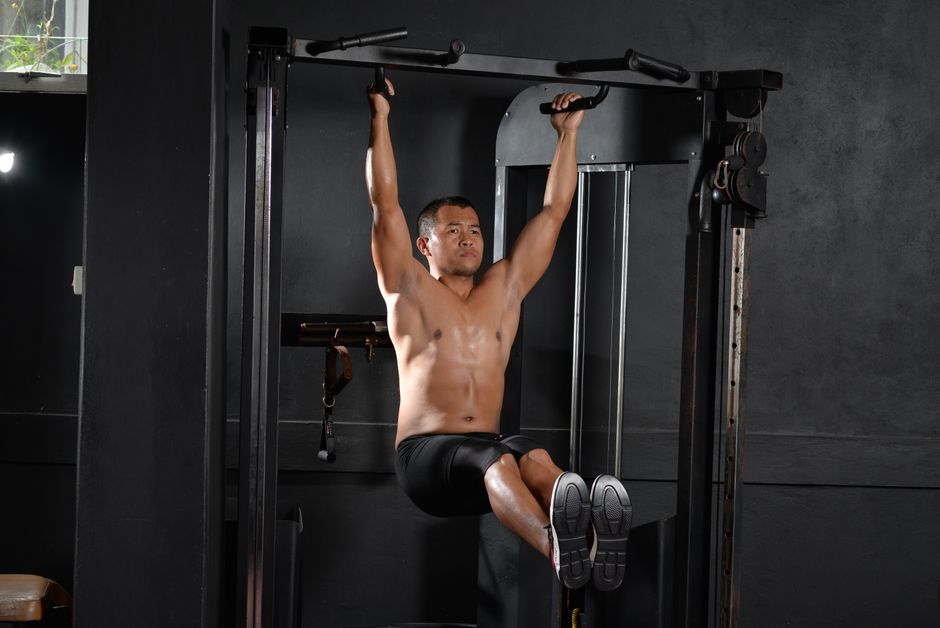
Pull-up bars are typically mounted in doorways, on walls, or as freestanding units. They enable vertical pulling exercises that target the back, shoulders, and arms. Dip stations, on the other hand, are used for horizontal pushing movements that emphasize the chest, triceps, and shoulders. Resistance bands are elastic cords that add variable resistance to a wide range of movements and can assist or challenge bodyweight exercises.
Each type of equipment serves different purposes and comes with its own set of installation and usage considerations. Understanding these differences can help in selecting the right combination for a home setup.
Pull-Up Bars: Types and Installation
Pull-up bars are available in several designs, including doorway models, wall-mounted units, and freestanding power towers. Doorway pull-up bars are popular because they require no permanent installation and can be easily removed. However, they rely on the doorframe for support and may not fit all doorways. Wall-mounted bars are more secure but require drilling into wall studs, which may not be suitable for renters or those with certain wall materials. Freestanding units offer greater stability and often include additional features like dip handles or a multi-grip design.
When choosing a pull-up bar, consider factors such as weight capacity, grip options, and the height required for safe use. It’s important to follow the manufacturer’s installation instructions carefully to ensure the bar is properly secured. For any type of bar, regular inspection of hardware and mounting points is advisable to maintain safety.
Dip Stations and Their Role
Dip stations are designed to support the body during dipping exercises. They typically consist of two parallel bars at a height that allows the user to lower and raise their body using their arms. Some dip stations are standalone, while others are integrated into power towers or pull-up bar systems. The width between the bars can often be adjusted to accommodate different shoulder widths and exercise variations.
In a home setting, a dip station can add pushing strength work to complement pulling exercises. However, it requires sufficient floor space and ceiling clearance. Stability is crucial, so choosing a station with a wide base and non-slip feet is beneficial. As with pull-up bars, regular checks for wear and tear are recommended.
Resistance Bands for Functional Training
Resistance bands are versatile tools that can be used for mobility, strength, and assistance exercises. They come in various forms, such as loop bands, tube bands with handles, and figure-8 bands. Each type offers different resistance levels and is suited to specific movements. Loop bands are often used for glute activation and stretching, while tube bands with handles can mimic cable machine exercises.
In bodyweight training, bands can assist in performing pull-ups or dips by reducing the effective load, making them useful for progression. They can also add resistance to push-ups or squats. When selecting bands, consider the resistance range, material durability, and compatibility with attachments like door anchors or handles.
Proper storage is important to prolong the life of resistance bands. They should be kept away from direct sunlight and sharp objects. Over time, bands may lose elasticity or develop cracks, so periodic replacement is advisable to maintain safety.
Organizing a Home Workout Area
Creating a dedicated space for bodyweight training involves more than just acquiring equipment. It requires planning to ensure safety, functionality, and comfort. The first step is to assess the available area. Measure the dimensions and note any obstacles such as furniture or low ceilings. For pull-up bars and dip stations, vertical space is a key consideration. Doorway bars need a sturdy frame, while freestanding units require floor space and overhead clearance.
Flooring is another factor. A non-slip surface can enhance stability during exercises. Some people use interlocking foam mats or rubber tiles to provide cushioning and protect the floor. However, thick mats may not be suitable for certain movements that require a stable base, such as balance exercises.
Ventilation and lighting also contribute to a pleasant workout environment. Good airflow helps regulate body temperature, and adequate lighting reduces the risk of accidents. If space is limited, consider equipment that can be folded or stored away when not in use, such as doorway pull-up bars or resistance bands that fit in a small bag.
Safety and Maintenance Considerations
Safety should be a priority when setting up any home gym. Before using any equipment, ensure it is properly installed and stable. For wall-mounted items, use appropriate anchors and verify they are secured into studs. For freestanding equipment, check that all bolts are tightened and that the base is level. It’s also wise to have a spotter or use safety devices when attempting challenging exercises.
Regular maintenance can extend the life of your equipment and reduce the risk of failure. Inspect pull-up bars and dip stations for loose screws, cracks, or corrosion. Wipe down surfaces to remove sweat and dirt. For resistance bands, check for nicks or thinning areas and replace them if damaged. Keeping a log of equipment checks can help ensure nothing is overlooked.
Additionally, consider your own physical condition and any limitations before starting a new exercise program. Consulting with a healthcare professional can provide guidance tailored to your needs. Always warm up before exercising and progress gradually to avoid strain.
Selecting Equipment for Your Needs
When choosing equipment for a home bodyweight training setup, there is no one-size-fits-all solution. The best options depend on your goals, available space, budget, and personal preferences. A basic setup might include a doorway pull-up bar and a set of resistance bands, which are relatively affordable and easy to store. For those with more space and a higher budget, a freestanding power tower with a dip station and multiple grip positions could be more versatile.
It’s also worth considering future needs. If you plan to progress to more advanced exercises, equipment that offers adjustable resistance or multiple functions can be beneficial. Reading reviews and comparing specifications can help narrow down choices. Some brands, like Peak Performance Gear, offer a range of options that may align with different requirements.
Finally, remember that consistency and proper form are more important than the amount of equipment. A simple setup used regularly can be effective for many people. The key is to create a safe and inviting space that encourages regular practice.